Goodbye, "It Works on My Machine"
Before containers, shipping code was a nightmare of dependency hell. Docker changed everything by packaging code and its environment into a single unit.
What is a Container? 
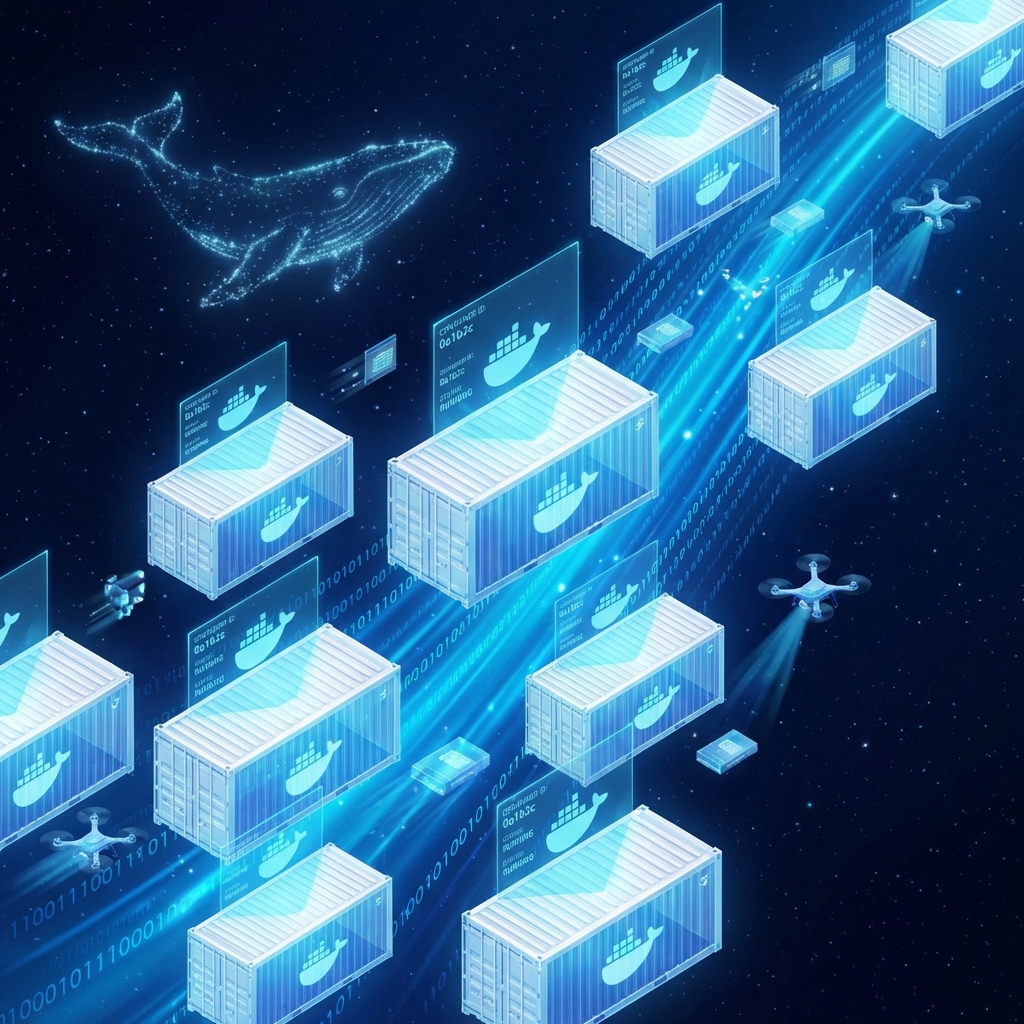
Think of a container like a shipping container for software. - Standardized: Runs the same on your laptop, a staging server, or an AWS production cluster. - Isolated: Dependencies for Project A don't conflict with Project B. - Lightweight: Starts in milliseconds, unlike heavy Virtual Machines (VMs).
# A simple Dockerfile example
FROM python:3.9-slim
WORKDIR /app
COPY . .
RUN pip install -r requirements.txt
CMD ["python", "app.py"]
Enter Kubernetes (K8s) 
If Docker is the ship, Kubernetes is the fleet captain. Managing 5 containers is easy. Managing 5,000 via scripts? Impossible.
K8s handles: 1. Auto-scaling: Traffic spike? K8s launches 10 more copies of your app instantly. 2. Self-healing: Container crashed? K8s restarts it automatically. 3. Load Balancing: Distributes traffic across all healthy instances.
Fun Fact: Kubernetes was born from Google's internal system "Borg", which launched billions of containers a week.
Which one should I learn first?
Start with Docker. Learn to build images and run containers locally. Once you're comfortable, graduate to Kubernetes to learn how manage them at scale.